
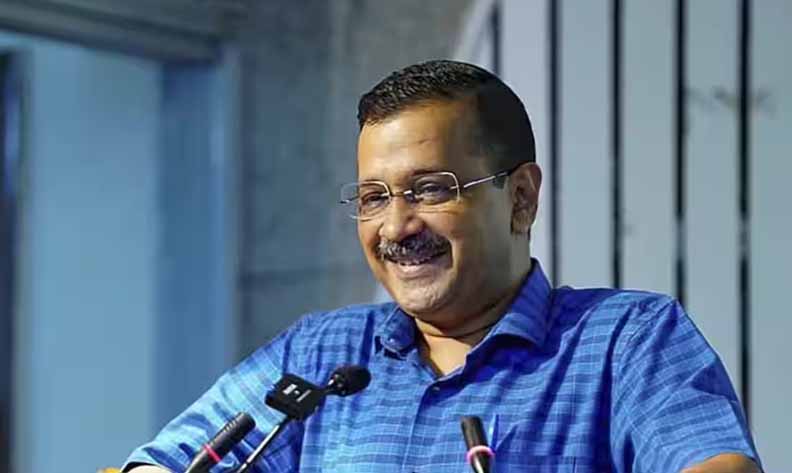
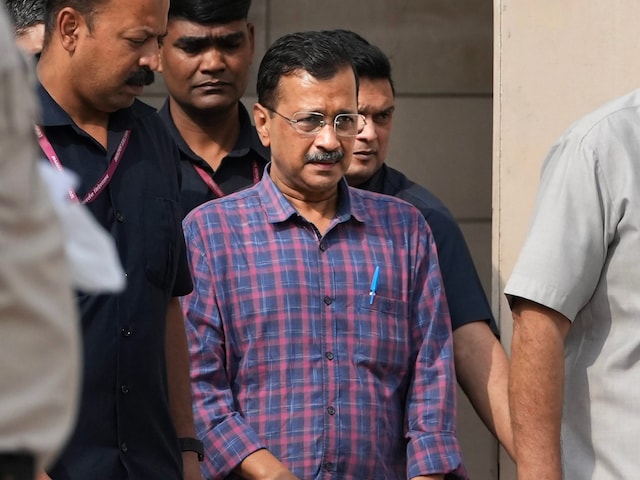
New Delhi, August 14, 2024 The Supreme Court of India is set to hear two crucial pleas by Delhi Chief Minister Arvind Kejriwal today. These pleas challenge his arrest by the Central Bureau of Investigation (CBI) and seek bail in connection with the alleged excise policy scam. This high-profile case has garnered significant attention, not only due to the involvement of a sitting Chief Minister but also because of the broader implications it holds for political accountability and judicial processes in India.
Background of the Case
The controversy stems from the Delhi government’s excise policy for 2021–22, which was later scrapped amid allegations of corruption and irregularities. The policy, which aimed to reform the liquor trade in the capital, allegedly led to undue benefits for certain private entities at the expense of the state exchequer. Following a recommendation by Delhi’s Lieutenant Governor in July 2022, the CBI initiated a probe into the matter.
Arvind Kejriwal, the leader of the Aam Aadmi Party (AAP), was arrested by the Enforcement Directorate (ED) on March 21, 2024, and subsequently by the CBI. The arrests were based on allegations that Kejriwal was the mastermind behind the irregularities, orchestrating the policy changes to benefit specific liquor traders.
Judicial Journey
Kejriwal’s legal team, led by senior advocate Abhishek Singhvi, has argued that the arrests are politically motivated and lack substantial evidence. They contend that as the National Convenor of a national political party and a sitting Chief Minister, Kejriwal is being subjected to “gross persecution and harassment for wholly malafide [in bad faith] and extraneous considerations”.
The Delhi High Court, however, upheld the legality of the CBI’s actions, stating that the arrest was made only after sufficient evidence was collected and necessary sanctions were obtained. The court noted that Kejriwal’s influence could potentially intimidate witnesses, who might only feel safe to testify after his arrest.
Supreme Court’s Involvement
The Supreme Court’s decision to hear Kejriwal’s pleas comes after the Delhi High Court rejected his challenge to the arrest on August 5, 2024. The apex court will examine two key aspects: the legality of the arrest and the plea for bail. The bench, comprising Justices Surya Kant and Ujjal Bhuyan, will scrutinize the evidence presented by the CBI and the arguments put forth by Kejriwal’s defense.
Implications of the Hearing
- Political Ramifications: The outcome of this hearing could have significant political implications. If the Supreme Court grants bail or rules in favor of Kejriwal, it could bolster his position and that of the AAP, especially with upcoming elections. Conversely, a decision against him could weaken his political standing and impact the party’s prospects.
- Judicial Precedents: This case could set important judicial precedents regarding the arrest and prosecution of high-ranking political figures. It will test the balance between ensuring accountability and preventing misuse of investigative agencies for political vendettas.
- Public Perception: The public’s perception of the judiciary’s independence and the integrity of investigative agencies is at stake. A transparent and fair hearing is crucial to maintaining public trust in these institutions.
- Policy Reforms: Depending on the court’s findings, there could be calls for reforms in how excise policies are formulated and implemented. This case highlights the need for greater transparency and accountability in policy-making processes.
Broader Context
The excise policy case is not an isolated incident but part of a broader pattern of legal and political battles involving the AAP and its leaders. Former Deputy Chief Minister Manish Sisodia was also arrested in connection with the same case and spent 17 months in jail before being granted bail by the Supreme Court. The AAP has consistently claimed that these actions are part of a larger conspiracy to undermine its governance and political influence.
Legal Arguments
Kejriwal’s defense team is expected to argue that the arrest was unnecessary and that he poses no flight risk or threat to the investigation. They will likely emphasize his cooperation with the probe and his willingness to abide by any conditions set by the court. On the other hand, the CBI will argue that his arrest was essential to prevent tampering with evidence and to ensure that witnesses can testify without fear.
Public and Media Reactions
The case has attracted widespread media coverage and public interest. Supporters of Kejriwal and the AAP have staged protests, alleging political vendetta and demanding his release. Meanwhile, opposition parties have called for a thorough investigation and accountability, reflecting the polarized nature of Indian politics.
Conclusion
As the Supreme Court prepares to hear Arvind Kejriwal’s pleas, the nation watches closely. The outcome of this case will not only determine the immediate fate of the Delhi Chief Minister but also have far-reaching implications for political accountability, judicial integrity, and public trust in democratic institutions. Regardless of the verdict, this case underscores the complex interplay between law, politics, and governance in India.
For More News Update, Follow Read Now News
 Ashish Bajpai