

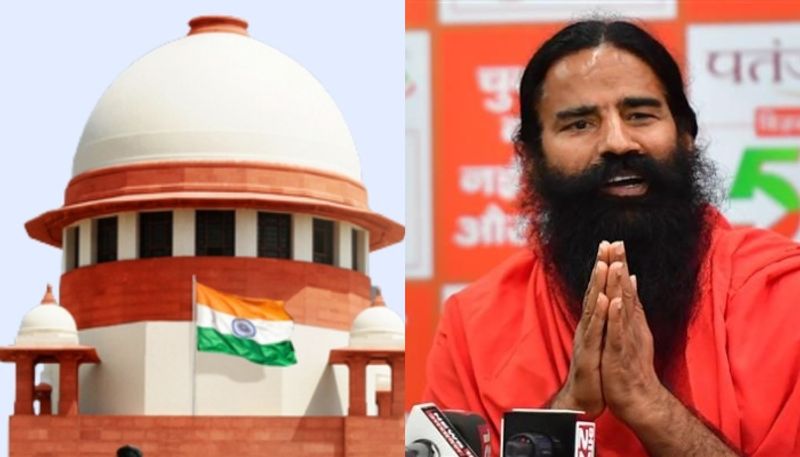
In a significant legal development, the Supreme Court of India has closed the contempt proceedings against Yoga Guru Baba Ramdev and Patanjali Ayurveda’s Managing Director, Acharya Balakrishna, in the case concerning misleading advertisements. This decision marks a substantial relief for the prominent figures associated with Patanjali Ayurveda, a major player in the Indian wellness and consumer goods markets.
Background of the Case
The case originated from allegations made by the Indian Medical Association (IMA) against Baba Ramdev and Patanjali Ayurved. The IMA accused them of running a smear campaign against modern medicine and the COVID-19 vaccination drive while promoting Patanjali products with misleading claims. The controversy intensified when Patanjali launched products like coronil, which were advertised as remedies for COVID-19 without sufficient scientific backing.
)
Supreme Court’s Intervention
In November 2023, the Supreme Court took cognizance of the matter and issued a show-cause notice to Baba Ramdev and Acharya Balakrishna. The court’s intervention was prompted by the IMA’s plea, which highlighted the potential harm caused by misleading advertisements, especially during a global pandemic. The court sought explanations from the accused on why they should not be held in contempt for violating advertising norms and making unsubstantiated claims about their products.
Undertakings and Apologies
During the proceedings, Baba Ramdev and Acharya Balakrishna submitted undertakings to the Supreme Court, promising to cease issuing misleading advertisements and making unverified claims about Patanjali products. Despite these assurances, the court remained vigilant and warned that any future violations would be met with severe consequences.
Closure of the Case
On August 13, 2024, a bench comprising Justice Hima Kohli and Justice Ahsanuddin Amanullah delivered the final verdict, closing the contempt proceedings against Baba Ramdev and Acharya Balakrishna. The court accepted their undertakings and written apologies, noting that the accused had agreed to comply with the court’s directives and refrain from misleading advertising practices in the future.
Reactions and Implications
The Supreme Court’s decision has elicited mixed reactions from various stakeholders. Supporters of Baba Ramdev and Patanjali Ayurveda have hailed the verdict as a victory for traditional Indian medicine and a validation of their efforts to promote Ayurveda. They argue that the case was an attempt to undermine the credibility of Ayurveda and its practitioners.
On the other hand, critics, including members of the medical community, have expressed concerns about the potential impact of the court’s decision. They emphasize the importance of evidence-based medicine and the need to protect consumers from misleading claims. The IMA, in particular, has reiterated its commitment to ensuring that all medical products and treatments are subjected to rigorous scientific scrutiny.
The Role of Advertising Standards
The case has also brought attention to the role of regulatory bodies in monitoring and controlling advertising practices. The Advertising Standards Council of India (ASCI) and the Central Consumer Protection Authority (CCPA) have been urged to strengthen their oversight mechanisms to prevent the dissemination of misleading advertisements. The court’s decision underscores the need for a robust regulatory framework to safeguard consumer interests and maintain the integrity of the advertising industry.
Future Prospects
As Baba Ramdev and Patanjali Ayurveda move forward, they face the challenge of rebuilding trust and credibility among consumers. The company has announced plans to enhance transparency in its advertising practices and ensure that all claims are backed by scientific evidence. This commitment to ethical advertising is seen as a crucial step in restoring public confidence and maintaining the brand’s reputation.
Conclusion
The closure of the contempt case against Baba Ramdev and Acharya Balakrishna marks a significant chapter in the ongoing debate over advertising ethics and consumer protection in India. While the Supreme Court’s decision provides relief to the accused, it also serves as a reminder of the importance of responsible advertising and the need for stringent regulatory oversight. As the case draws to a close, stakeholders from various sectors will be closely watching the actions of Patanjali Ayurved and other companies to ensure that consumer interests are upheld and misleading practices are curtailed.
This case highlights the delicate balance between promoting traditional medicine and ensuring that all health-related claims are substantiated by scientific evidence. It underscores the critical role of regulatory bodies in maintaining this balance and protecting consumers from potentially harmful misinformation. As India continues to navigate the complexities of its diverse healthcare landscape, the lessons learned from this case will undoubtedly shape future policies and practices in the realm of advertising and consumer protection.
For More News updates, Follow Read Now News
 Ashish Bajpai