
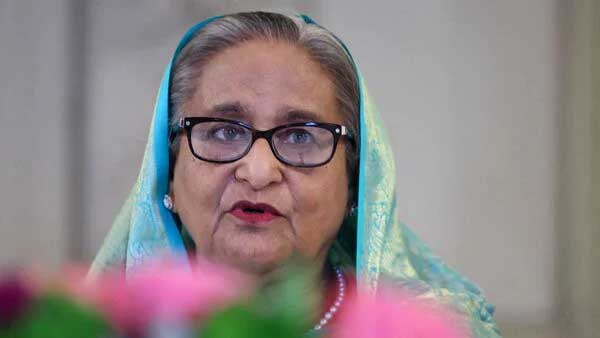
In a dramatic turn of events, Sheikh Hasina, the long-serving Prime Minister of Bangladesh, announced her resignation on August 5, 2024, amid escalating mass protests and civil unrest. In her first public statement since stepping down, Hasina revealed that her decision was driven by a desire to prevent further bloodshed and save the lives of her fellow Bangladeshis.
The Context
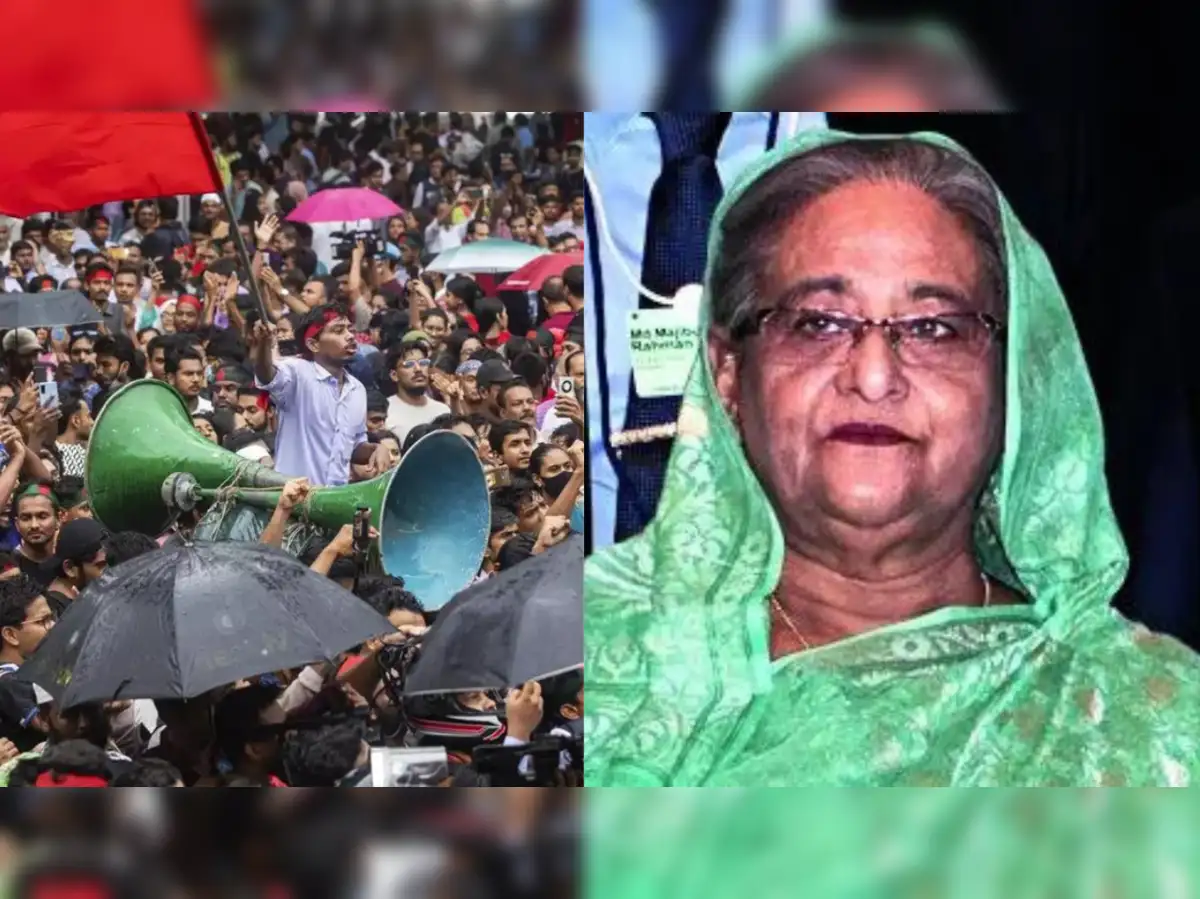
The resignation came after weeks of intense protests led by students and supported by various segments of society. The demonstrations were initially sparked by the reinstatement of a controversial job quota system but quickly evolved into a broader movement against corruption, electoral fraud, and human rights abuses under Hasina’s administration. The protests saw violent clashes between demonstrators and security forces, resulting in hundreds of deaths and thousands of injuries.
Hasina’s Statement
In a televised address, Hasina stated, “I resigned to save the lives of Bangladeshis. The violence and bloodshed had to stop. My resignation is a small price to pay for the peace and stability of our beloved nation.” She emphasized that her decision was made in the best interest of the country and its people.
The Protests
The protests began in early July 2024, with students taking to the streets to demand the abolition of the 30 percent job quota for descendants of 1971 independence war veterans. The quota was seen as a form of political patronage benefiting the ruling Awami League party. The movement quickly gained momentum, with widespread support from the public who were frustrated with the government’s handling of various issues, including corruption and human rights violations.
Escalation of Violence
The situation escalated on July 15, when security forces and members of the Chhatra League, the student wing of the Awami League, attacked peaceful protesters. This led to a nationwide outcry and intensified the protests. The government responded by deploying the army, imposing curfews, and shutting down internet access, which only fueled further anger and unrest.
The Aftermath
Following Hasina’s resignation, the military announced the formation of an interim government and promised to restore peace and order. General Waker-Uz-Zaman, the army chief, assured the public that the military would stand down and that an independent investigation would be launched into the recent violence. “We will bring justice to those responsible for the killings and ensure that such atrocities never happen again,” he stated.
Political Reactions
Hasina’s resignation has been met with mixed reactions. While some view it as a necessary step to end the violence, others see it as a capitulation to foreign pressures and internal dissent. In her address, Hasina hinted at external influences, stating, “Had I surrendered Saint Martin Island, I could have stayed in power. But I chose the path of integrity and honor”.
International Response
The international community has closely watched the developments in Bangladesh. Human rights organizations have called for a transparent and independent investigation into the violence and for the immediate release of political prisoners. Meenakshi Ganguly, deputy Asia director at Human Rights Watch, stated, “Sheikh Hasina’s resignation brings new hope for accountability and democratic reform in Bangladesh. The interim government should seize this opportunity to reorient the country toward the rule of law”.
The Road Ahead
The interim government faces significant challenges in restoring stability and addressing the grievances of the protesters. The demand for justice and accountability is strong, and the new administration will need to take concrete steps to rebuild trust and ensure that the voices of the people are heard.
Hasina’s Legacy
Sheikh Hasina’s tenure as Prime Minister has been marked by significant economic growth and development, but also by allegations of authoritarianism and human rights abuses. Her resignation marks the end of an era and opens a new chapter in Bangladesh’s political landscape.
Conclusion
As Bangladesh navigates this turbulent period, the focus will be on ensuring a peaceful transition and addressing the root causes of the unrest. Hasina’s decision to step down, while controversial, may pave the way for a more inclusive and democratic future for the country. The coming months will be crucial in determining the direction Bangladesh takes and whether the aspirations of its people for justice and reform will be realized.
The resignation of Sheikh Hasina underscores the complex and often volatile nature of political leadership in Bangladesh. It serves as a reminder of the importance of listening to the voices of the people and prioritizing their well-being above all else. As the nation moves forward, the hope is that this moment of crisis will lead to meaningful change and a brighter future for all Bangladeshis.
For More News Update Follow Read Now News
 Ashish Bajpai